Blog · August 10, 2026 · 5 min read
Business Automation Mexico: Booking Reminders, Lead Routing & Follow-Up Made Simple
Automation sounds complicated, but for most small businesses in Mexico, it starts with three simple things: reminders, routing leads to the right person, and following up without lifting a finger.
- business-automation
- mexico
- playa-del-carmen
- cancun
- tulum
- quintana-roo
- riviera-maya
- booking-reminders
- lead-routing
- small-business
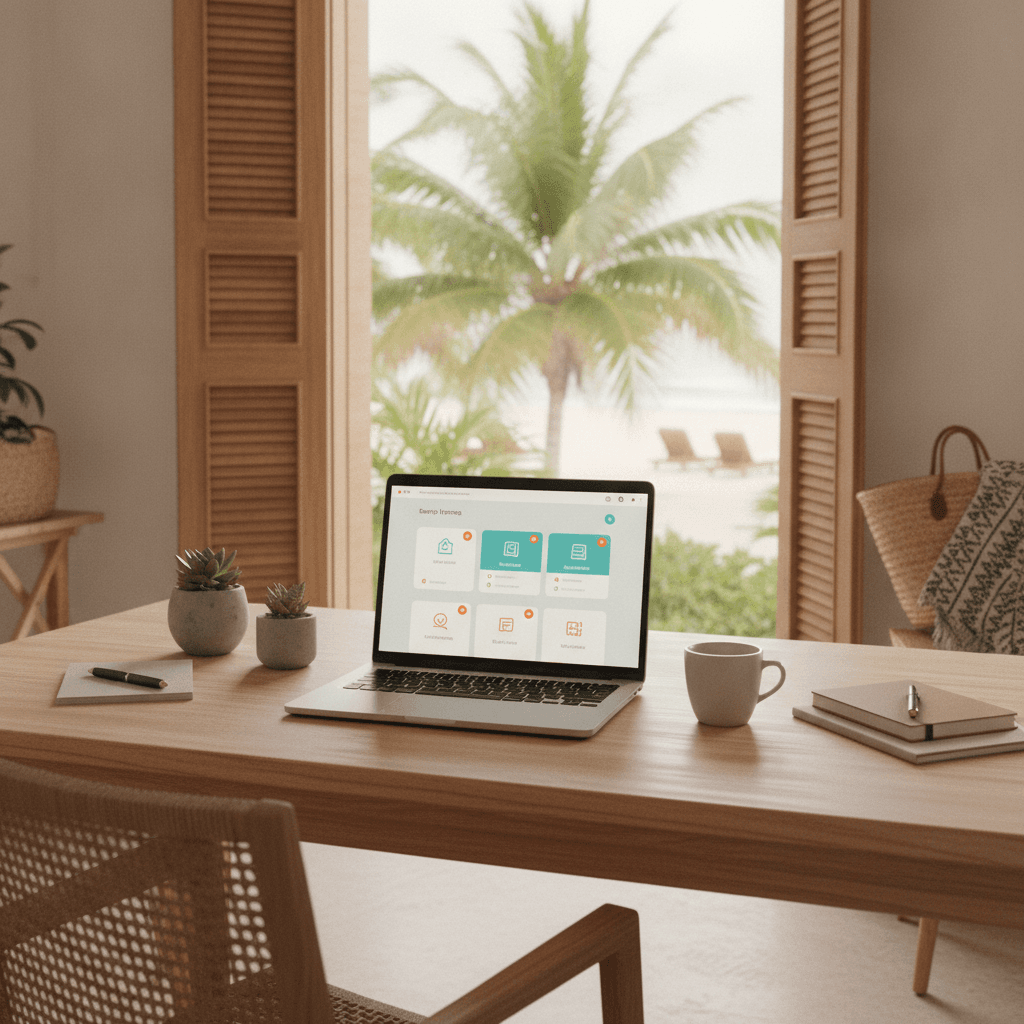
Running a small business in Playa del Carmen, Cancún, or anywhere along the Riviera Maya means juggling a lot at once. You're managing staff, handling bookings, responding to WhatsApp messages at odd hours, and trying to close leads before they go cold. That's a lot for any team.
Automation doesn't mean replacing people or installing complicated software. For most Mexican SMBs, it means setting up a few simple systems that handle the repetitive stuff — so you can focus on the work that actually needs you.
Here are three areas where automation delivers real, everyday results.
Booking Reminders: Stop Losing Appointments to No-Shows
No-shows are a quiet drain on small businesses. Whether you run a spa in Tulum, a dental clinic in Cancún, or a tour operator in Playa del Carmen, a missed appointment isn't just wasted time — it's lost revenue you can't recover.
Booking reminders are one of the simplest automations you can set up. Once a client books, the system automatically sends a confirmation message, then a reminder 24 hours before, and sometimes another one an hour before the appointment. You write the message once. The system handles the rest.
How it works in practice
Most booking platforms — Calendly, Acuity, SimplyBook, or even some WhatsApp-based tools — have this built in. You connect them to your booking form, set the timing, and they send messages automatically via email, SMS, or WhatsApp.
For businesses in Mexico where WhatsApp is the default communication channel, sending reminders through WhatsApp Business API tends to get much better open rates than email. Clients see it, tap to confirm, and you move on.
What this actually saves
Fewer no-shows means more reliable revenue and a schedule you can actually plan around. It also means your front desk or admin staff spend less time making reminder calls — time they can use for something more valuable.
Lead Routing: Getting Inquiries to the Right Person Immediately
When someone fills out a contact form or sends a message through your website, where does it go? If the answer is "to a general inbox that someone checks when they have time," you're losing leads.
Speed matters. A lead that comes in and gets a response within a few minutes is far more likely to convert than one that waits hours. For businesses in competitive markets like Cancún and Playa del Carmen, where travelers often send multiple inquiries at once, being first to respond can make a real difference.
Setting up simple routing
Lead routing means automatically directing an inquiry to the right person based on what the client asked about. If someone asks about property rentals, that goes to your rentals team. If it's a group booking inquiry, it goes to your events coordinator. If it's a general question, it goes to a shared inbox or triggers a WhatsApp notification.
This doesn't require expensive software. Tools like Zapier, Make (formerly Integromat), or even a well-configured form with notification rules can handle basic routing. If your website collects leads through a form, a good integration setup can route them automatically without any manual sorting.
Why this matters for small teams
Small businesses in Quintana Roo often have lean teams where one person wears many hats. When a lead lands in a shared inbox, it can sit there unread while two people assume the other is handling it. Routing removes that ambiguity. The right person gets a notification immediately, knows it's their responsibility, and can respond before the lead moves on.
Automated Follow-Up: Staying in Touch Without the Manual Work
Most small businesses are decent at responding to the first message. The follow-up is where things fall apart. Life gets busy, a lead says "I'll think about it," and three days later nobody has followed up.
Automated follow-up sequences solve this. When a lead comes in and doesn't convert right away, the system sends a polite follow-up after 24 or 48 hours. If they still don't respond, another message goes out a few days later. You set it up once, and it runs on its own.
Keeping it personal without being pushy
The key is writing follow-up messages that feel human. Avoid anything that reads like a mass marketing email. Keep it short, reference what the person asked about, and make it easy for them to take the next step — a link to book, a question asking if they need more information, or a simple "still happy to help if you have questions."
For businesses in tourism-heavy areas like Tulum and Cancún, follow-up timing can also be tied to travel patterns. A visitor who inquired in January about a March trip might respond well to a follow-up in February. A local client asking about a recurring service might need a different cadence entirely.
Connecting your tools
Follow-up automation usually connects your contact form or CRM to an email or WhatsApp sequence. If you're not sure where to start, our automation services can help map out a simple flow that fits how your business actually works — without over-engineering it.
Starting Small: You Don't Need Everything at Once
The businesses that get the most out of automation in Mexico tend to start with one thing, get it working well, and expand from there. Booking reminders are usually the easiest first step — low setup time, immediate impact.
Lead routing comes next, especially if your team is growing or handling multiple service lines. Follow-up sequences come after that, once you have a clearer picture of where leads are going cold.
None of this requires a large budget or a dedicated IT team. Most of these tools have free tiers or low monthly costs that make sense even for small operations in Playa del Carmen or rural Quintana Roo.
If you're not sure which automation would have the biggest impact for your business, get in touch and we can talk it through. A short conversation usually points in the right direction.
Written by JMW Development · Based in Playa del Carmen
← All articlesKeep reading
More from the JMW Journal


Liked this article?
Want something like this for your business?
Book a free 30-minute call. We'll talk through what you are building and come back with a clear next step within 24 hours.