
Blog · July 27, 2026 · 6 min read
Real Estate Website Mexico: What Buyers and Renters Actually Expect
If your real estate website isn't meeting basic buyer and renter expectations, you're losing leads before you ever speak to them. Here's what actually matters.
- real-estate-websites
- playa-del-carmen
- cancun
- tulum
- riviera-maya
- quintana-roo
- mexico
- property-listings
- mobile-design
- lead-generation
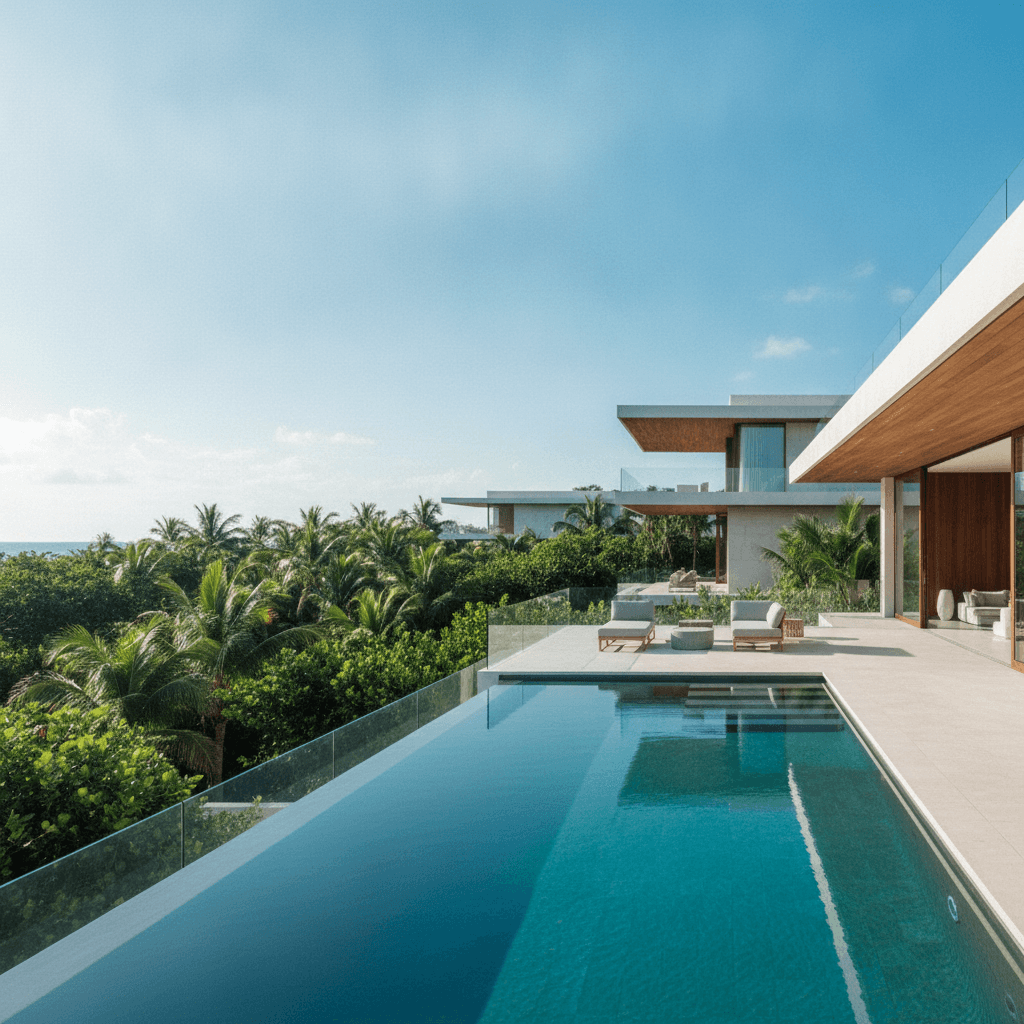
If someone is looking to buy or rent a property in the Riviera Maya, their first move is almost always online. They search, compare, and shortlist — often from a phone, often before they've even booked a flight. By the time they contact an agency, they've already formed an opinion based on your website.
That means your site isn't just a digital brochure. It's doing active sales work on your behalf. The question is whether it's doing that job well.
What Buyers and Renters Are Actually Looking For
The expectations of someone browsing property in Playa del Carmen or Tulum are not dramatically different from what they'd expect searching anywhere else in the world. But the gap between those expectations and what most Mexican real estate agency sites deliver is often significant.
Most visitors come to a property website with a clear intent: find something that fits their criteria, understand the price and what's included, and contact the agency without friction. When that process breaks down at any point, they leave.
Listings That Are Complete and Current
The single biggest frustration for property seekers is landing on a listing that's incomplete, outdated, or vague. A listing without a clear price, accurate details, or enough photos immediately feels untrustworthy.
Every listing on your site should include: the asking price or rental rate, the number of bedrooms and bathrooms, the size in square meters, key amenities (pool, parking, furnished status, pet policy), and a location description that goes beyond just "Tulum" or "Cancún." Specifying the neighborhood or development matters — buyers making decisions from abroad rely on that level of detail.
Photography matters more than most agencies acknowledge. A few dark, low-resolution images will quietly kill a listing. If a property is worth showing, it's worth photographing properly.
Functional Search and Filtering
If your site has more than a handful of listings, visitors need to be able to narrow them down quickly. A search tool that filters by property type, price range, number of bedrooms, and location is a baseline expectation — not a luxury.
This is an area where many smaller agency sites fall short. A static list of properties with no way to filter forces the visitor to scroll through everything manually. Most won't bother. They'll go back to Google and click the next result.
If your site is built on a platform that doesn't support filtering, or if your current listings are managed manually through a page builder, it's worth asking whether the setup is genuinely serving the people who visit. You can explore what a purpose-built solution looks like at /services/custom-website-development.
Mobile Experience Is Not Optional
A significant portion of property searches — especially from international buyers browsing Quintana Roo and the Riviera Maya — happen on mobile devices. That includes people browsing from home markets like the US, Canada, and Europe, as well as local renters looking for their next place.
A site that looks fine on a desktop but breaks on a phone creates an immediate barrier. Text that's too small to read, images that don't load properly, and buttons that are hard to tap all signal unprofessionalism — and they push people toward competitors.
Mobile-first isn't just a design philosophy. In real estate, it has a direct impact on how many inquiries you receive. A well-structured mobile experience means that when someone finds your listing on Google while sitting in an airport or at a café, they can browse, shortlist, and contact you without switching devices.
Load Speed Matters More Than Design
A slow website is particularly damaging for property listings, because pages with multiple high-resolution images can be slow by default if they haven't been optimized. Visitors on slower mobile connections will abandon a page that takes more than a few seconds to load.
Image compression, lazy loading, and proper hosting are the technical fixes — but the underlying point is simple: if your site is slow, you're losing people before they even see your listings. Website speed and mobile performance are things we address as part of any serious web project.
Trust Signals That Convert Visitors Into Leads
Real estate is a high-consideration decision. Buyers and renters are often making significant financial commitments, sometimes from another country. That means trust is not a soft concept — it's a conversion factor.
An agency website that looks modern, loads quickly, and clearly presents its listings earns more inquiries than one that appears dated or disorganized. Beyond the basics, there are specific trust signals that matter in this market.
Bilingual Content
For an agency operating in Playa del Carmen, Cancún, or Tulum, a significant share of leads come from buyers whose primary language is English. Having listings and key pages available in both Spanish and English removes a real barrier. It also signals professionalism to international clients — that the agency understands who it's selling to.
Clear Contact Options
A property inquiry should never require more than one step. A visible WhatsApp button, a short contact form specific to each listing, and a direct phone number or email should all be easy to find — preferably on the listing page itself, not buried in a general contact page.
The faster someone can reach you after seeing a property they like, the more likely you are to convert that interest into a conversation. Reducing friction at the inquiry stage is one of the simplest improvements a real estate site can make.
Agency Credibility
A brief about page that explains who the agency is, how long it has been operating, and what areas it covers goes a long way. Testimonials, if you have them from real clients, are also useful. The goal is to give someone enough context to feel comfortable reaching out.
Where Most Real Estate Websites Fall Short
The common pattern across many agency sites in Quintana Roo and the wider Riviera Maya is that they were built to look good at launch, but weren't set up to be maintained, updated, or optimized over time. Listings go stale. Search doesn't work on mobile. Pages load slowly because no one optimized the images.
The result is a site that generates less business than it should, despite representing real effort and real investment.
If your site isn't performing the way you'd expect — whether that's enquiries, phone calls, or visibility on Google — it's worth taking a clear-eyed look at what buyers and renters actually experience when they land on it. Get in touch and we can walk through it together.
Written by JMW Development · Based in Playa del Carmen
← All articlesKeep reading
More from the JMW Journal


Liked this article?
Want something like this for your business?
Book a free 30-minute call. We'll talk through what you are building and come back with a clear next step within 24 hours.