
Blog · July 19, 2026 · 3 min read
Restaurant Website Riviera Maya: What Your Site Needs to Fill More Tables
A great meal starts with a great first impression online. Here's what your restaurant website needs to turn Riviera Maya browsers into actual bookings.
- restaurant-websites
- local-seo
- riviera-maya
- playa-del-carmen
- cancun
- tulum
- mobile-website
- restaurant-menu
- online-reservations
- quintana-roo
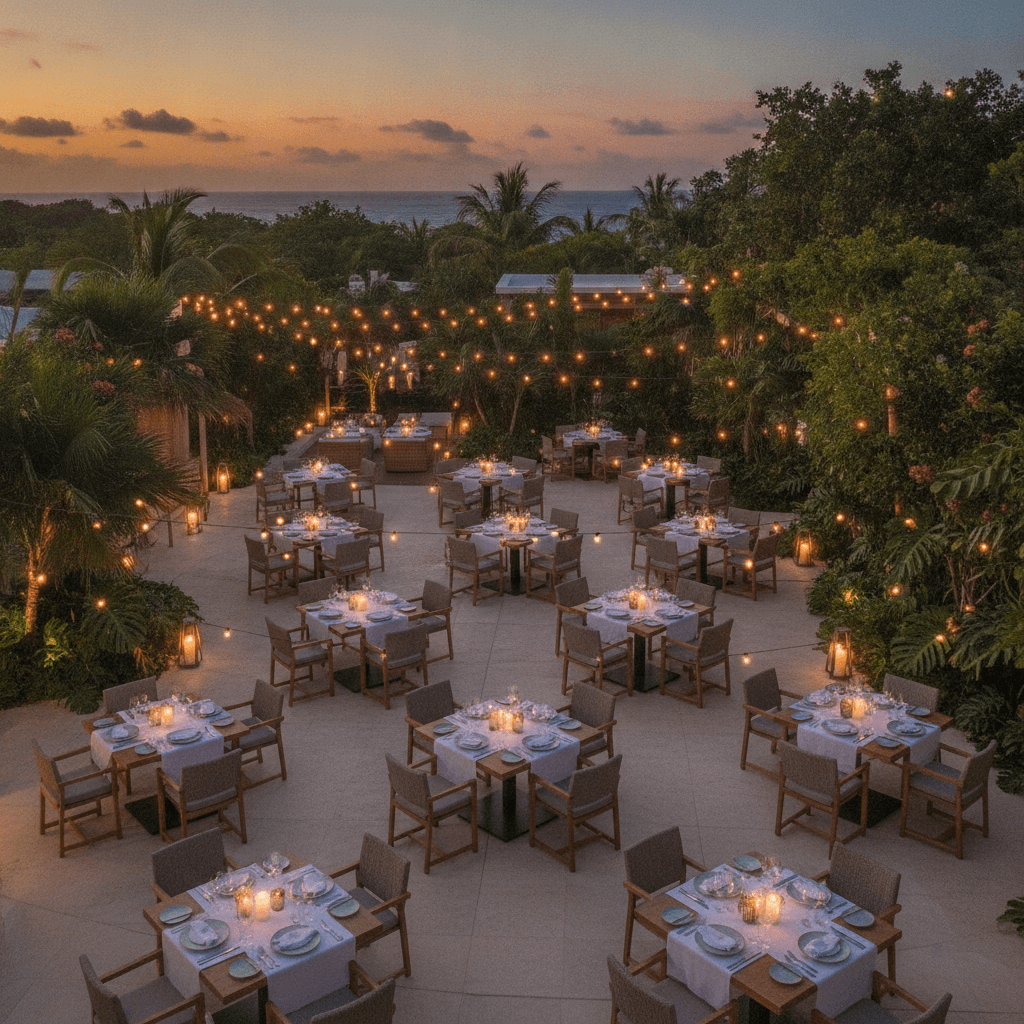
Most restaurants in the Riviera Maya rely on foot traffic, social media, and word of mouth. Those channels matter — but they're not enough on their own. A hungry tourist searching for a restaurant in Playa del Carmen, Tulum, or Cancún is going to land on someone's website before they make a decision. The question is whether that website belongs to you.
This post covers the core elements that make a restaurant website actually work: what to include, what slows people down, and how local SEO fits into the picture.
Your Menu Needs to Be on Your Own Website
This sounds obvious, but many restaurants either don't have their menu online, or they only post it on a third-party app or a PDF that doesn't open properly on mobile.
Your menu should live on your own website as real text — not a scanned image, not a PDF, not a photo of a chalkboard. Text-based menus are readable on any device, load quickly, and can be indexed by Google. That last part matters more than most restaurant owners realize.
Keep It Current
An outdated menu is worse than no menu. If someone sees a dish online that you no longer serve, or a price that's changed by 30 percent, you've already damaged trust before they walk through the door.
Set a reminder to review your online menu every time you update your physical one. It takes ten minutes and it's one of the easiest ways to avoid a bad first impression.
Use Descriptions and Categories
Group your dishes clearly — starters, mains, drinks, desserts. Add short descriptions that mention key ingredients, especially for allergy or dietary reasons. Travelers visiting the Riviera Maya often have dietary restrictions and will actively look for restaurants that communicate this clearly.
Reservations Should Be Easy to Make
If someone has to call to make a reservation, a portion of your potential guests won't bother. International visitors especially may be reluctant to make a phone call in a foreign country or outside business hours.
A simple online reservation form — or a link to a trusted booking tool — removes that friction entirely. It doesn't have to be complicated. Even a basic form that captures the date, time, party size, and contact details is enough to get started.
Match Your Reservation System to Your Size
Smaller restaurants often don't need a full reservation management platform. A contact form connected to WhatsApp or email can work well. Larger venues or those with multiple seatings may benefit from a more structured system.
The important thing is that the process is visible, simple, and confirmed quickly. If someone fills out a form and doesn't hear back for two days, they've already eaten somewhere else.
Mobile Speed Is Not Optional
The majority of searches for restaurants in Cancún, Playa del Carmen, and Tulum happen on a mobile phone. Often, people are searching while walking down the street or sitting at a bar deciding where to go next.
If your website takes more than three or four seconds to load on a mobile connection, many of those visitors will leave before they see your menu. A slow site isn't just frustrating — it actively costs you customers.
Common causes of slow restaurant websites include oversized image files, unoptimized photo galleries, and pages bloated with third-party plugins or scripts. A developer can audit these issues, but you can get a quick read using Google's PageSpeed Insights tool.
For a deeper look at why site speed matters for businesses in this region, see our post on website speed optimization for Mexico.
Local SEO: Getting Found Before the Competition
Local SEO is how you show up when someone searches for
Written by JMW Development · Based in Playa del Carmen
← All articlesKeep reading
More from the JMW Journal


Liked this article?
Want something like this for your business?
Book a free 30-minute call. We'll talk through what you are building and come back with a clear next step within 24 hours.