
Blog · September 10, 2026 · 6 min read
Web Design Playa del Carmen Cost: How to Budget for a Site That Works
Website pricing in Playa del Carmen varies widely. Here's what actually drives the cost and how to budget smartly for a site that supports real business outcomes.
- web-design
- playa-del-carmen
- website-cost
- riviera-maya
- quintana-roo
- web-development
- budgeting
- small-business
- local-seo
- cancun
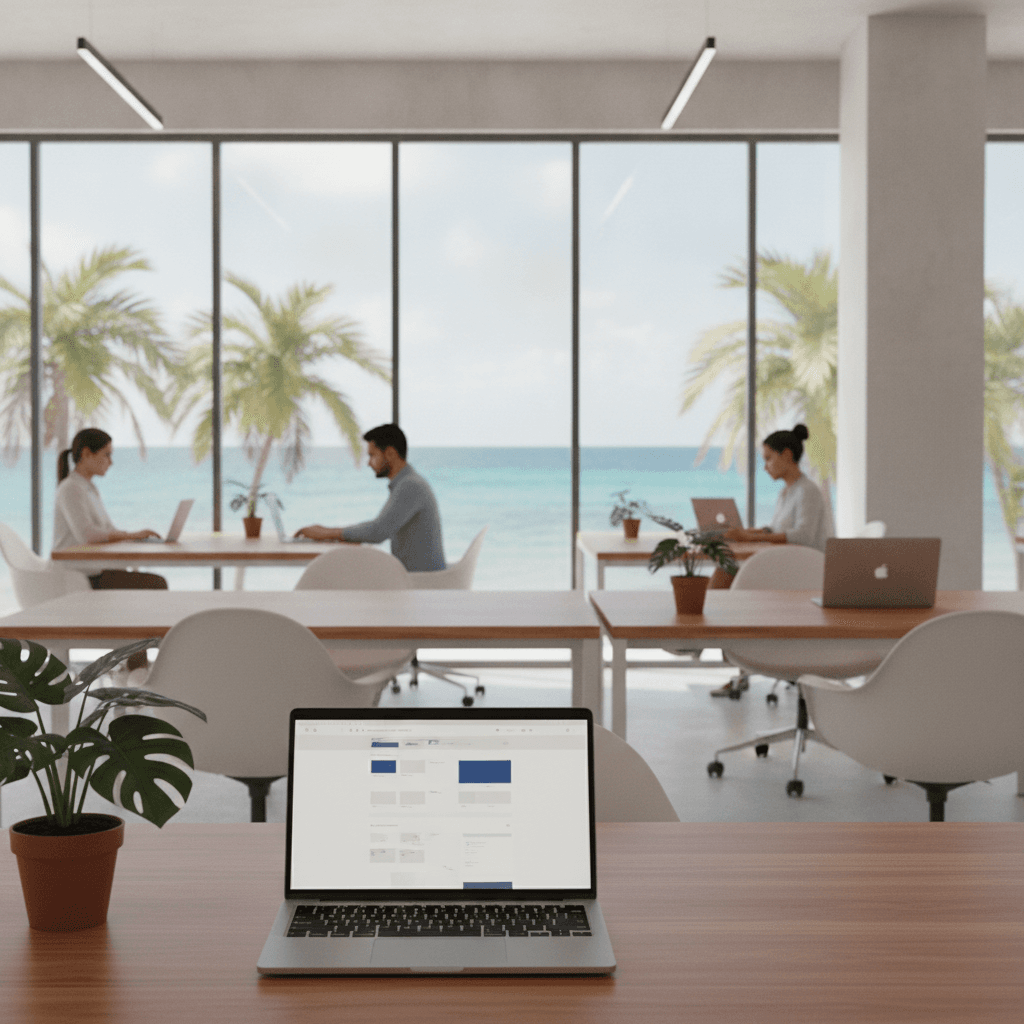
Most business owners in Playa del Carmen, Cancún, or Tulum have asked the same question at some point: how much does a website actually cost? The honest answer is that it depends — but that answer is only useful if you understand what it depends on.
This guide breaks down the main factors that affect web design pricing in the Riviera Maya and gives you a practical way to think about your budget before you talk to any developer.
Why Website Prices Vary So Much
You can find websites built for 3,000 pesos or 300,000 pesos. Both exist, and both can be the wrong choice depending on your situation. The difference usually comes down to what the site is actually built to do.
A one-page brochure site for a local service business has very different requirements from an e-commerce shop, a vacation rental with direct bookings, or a real estate listing platform. Complexity, integrations, and ongoing support all change the price significantly.
The Type of Site You Need
The single biggest cost driver is the type of website your business requires.
- Simple informational site: Presents your services, contact info, and location. Usually the lowest cost option.
- Lead generation site: Designed with forms, calls to action, and conversion in mind. Requires more strategic planning.
- Booking or reservation site: Needs a calendar system, payment gateway, and reliable confirmation flow. More technical setup involved.
- E-commerce site: Product pages, checkout, inventory, shipping logic — significantly more complex.
If you're running a restaurant in Playa del Carmen, your site needs differ from a property manager in Tulum. Knowing your category helps you set realistic expectations before getting quotes.
What Goes Into the Price
Web design costs are not just about how a site looks. Here's what you're usually paying for:
Design and Branding
Custom design takes more time than working from a template, and that time costs more. If your brand needs visual development — logo refinement, color palette, typography — that adds to the scope.
Templates can work well for simple sites, but they often require customization to look professional and perform well. The line between "template" and "custom" is often blurry in practice. Our article on custom websites vs WordPress templates covers this in more detail.
Development and Functionality
This is where the real cost variation happens. A static five-page site is very different from one with a booking engine, CRM integration, WhatsApp automation, or multilingual content.
Every feature you add requires development time, testing, and often third-party tools or API subscriptions. If you need a system that connects your website to a payment processor, a CRM, or an automated follow-up sequence, build that into your budget from the start.
Content Creation
Many business owners underestimate this. Writing clear, professional copy for your pages, taking good photos, and structuring your content for SEO all take time — yours or a professional's.
If you're providing content yourself, it's free but takes effort. If the developer or agency handles it, expect it to be itemized in the quote.
SEO Setup
A site that looks good but doesn't appear in Google search results isn't doing much for your business. Basic SEO setup — proper page structure, metadata, local schema, Google Business Profile alignment — should be included or available as an add-on. If a quote doesn't mention it, ask.
For businesses in Quintana Roo targeting both local and tourist customers, getting this right from the start matters. You can learn more about what to prioritize in our SEO setup guide.
Hosting, Domain, and Maintenance
These are ongoing costs that many business owners don't factor in until after launch. Hosting quality affects your site's speed and uptime. Maintenance covers updates, security patches, backups, and small content changes.
Expect to pay for these separately from the build cost, either as a monthly retainer or annual fee.
How to Set a Realistic Budget
Instead of asking "how much does a website cost," try asking: "what do I need my website to do, and what is that worth to my business?"
If your site is the primary way you generate leads or bookings, it's a revenue-generating asset. Investing more in it makes sense. If you just need an online presence so people can find your address and hours, a simpler and less expensive solution may be all you need.
Think in Terms of Outcomes
A useful way to frame your budget: how many additional clients or bookings per month would you need to recover the cost of a well-built site within the first year?
For most service businesses in Playa del Carmen, the math often makes sense. A site that brings in two or three extra clients per month can pay for itself relatively quickly, especially in higher-value service categories like real estate, hospitality, or wellness.
Get Comparable Quotes
When collecting quotes from developers, make sure you're comparing the same scope. One quote might include content writing, SEO setup, and three months of support. Another might be for the build only. The lower-priced quote is not always the better deal.
Ask each provider to list what's included: design, development, content, SEO, integrations, training, and post-launch support. That makes real comparison possible.
Watch for Hidden Costs
Common items that add to the final cost after a low initial quote:
- Premium plugins or third-party tool subscriptions
- Stock photo licenses
- Additional revision rounds beyond the included number
- Rush fees or scope changes mid-project
- Translation or multilingual setup
Being clear about your requirements upfront reduces surprises on both sides.
When to Invest More
Spending more on your website makes sense when:
- Your business depends heavily on online leads or bookings
- You operate in a competitive market like Cancún or Playa del Carmen where search visibility matters
- You need integrations with booking systems, payment processors, or CRM tools
- You're targeting international visitors who expect a polished, fast-loading experience
- Your current site is costing you business because it looks outdated or doesn't convert
When a Simpler Option Is Fine
A smaller investment works when your business is new and you're testing the market, most of your clients come through referrals or social media, or your site primarily serves as a basic credibility check rather than a lead generation tool.
In these cases, a clean, well-structured site on a reasonable budget can serve you well — as long as the fundamentals are in place.
Making the Decision
The right budget for your website is the one that matches what you need the site to do. If you're unsure where to start, talking through your goals with a developer before requesting a formal quote often saves time and helps you understand what's actually possible within your budget.
If you'd like to talk through your situation, get in touch with us and we can help you figure out what kind of site makes sense for your business goals — without overselling you on features you don't need.
Written by JMW Development · Based in Playa del Carmen
← All articlesKeep reading
More from the JMW Journal

Liked this article?
Want something like this for your business?
Book a free 30-minute call. We'll talk through what you are building and come back with a clear next step within 24 hours.